What to Do Immediately After a Tree Falls on Your Property
When a severe storm passes through Greensboro and leaves a fallen tree in its wake, your first instinct might be to grab a chainsaw and start cleaning up. Stop. Before you touch that tree, take a few critical steps to protect your safety, your property, and your insurance claim.
First, assess the immediate danger. If the tree has fallen on power lines, do not approach it under any circumstances. Call your local utility company right away. Downed power lines are extremely hazardous and require professional handling. If the tree has fallen on your house, vehicle, or is blocking a roadway, document everything with photographs and video before moving anything. Take wide shots and close-ups from multiple angles. These images will be essential when you file your insurance claim. Make sure the photos show the tree's position, any damage to structures, and the surrounding area so adjusters can understand the full scope of the incident.
Next, prioritize safety over speed. Keep family members and pets away from the fallen tree. Do not attempt Tree Removal yourself, especially if the tree is large, tangled in power lines, or resting against your home. This is exactly when you need to call a professional Emergency Tree Service. GreensboroTree Service offers 24/7 response for storm emergencies. You can reach us at (743) 222-3017 to get immediate assistance.
Documenting Storm Damage for Your Insurance Claim
Insurance companies in North Carolina require thorough documentation before they will approve payment for storm-related tree damage. The more detailed your records, the faster your claim will be processed. Start by creating a comprehensive file with all photographs, videos, and written notes about what happened and when.
Document the date and time of the storm, weather conditions, and any official storm reports or warnings issued by local authorities. Take photos of the fallen tree from multiple angles, showing how it fell, what it hit, and the extent of damage to your property. If the tree damaged your roof, siding, fence, or vehicles, photograph those areas both overall and in close detail. Include photos that show the tree's size and root system if it was uprooted, as this helps establish that the tree was healthy before the storm struck.
Write down the name and species of the tree if you know it, and note whether it showed any signs of disease or damage before the storm. Insurance adjusters often look for evidence that a tree was already weakened or dead, which might affect your claim. If you have any prior inspection reports, arborist evaluations, or maintenance records for the tree, gather those too. Also document any temporary repairs you make to prevent further damage (like tarping a roof hole), keeping receipts for materials and labor. These mitigation costs may be covered under your policy.
Understanding Fallen Tree Coverage in North Carolina
Homeowners in North Carolina often assume their insurance will cover all tree damage from storms, but the reality is more nuanced. Standard homeowners policies typically cover damage caused by a fallen tree (such as damage to your roof or home structure), but they may not cover the cost of removing the tree itself. This distinction matters when you are budgeting for cleanup.
If a tree falls and damages your house, your dwelling coverage usually kicks in to pay for repairs. However, the cost of removing the fallen tree trunk, branches, and debris may fall under a separate limit or may not be covered at all, depending on your specific policy. Some insurers cover removal only if the tree was healthy and the fall was directly caused by a covered peril like a windstorm or lightning strike. If the tree was already diseased, dead, or poorly maintained, the insurance company might deny the removal claim. This is why your documentation is so important. Photos showing a healthy tree before the storm help prove it was not a pre-existing condition.
Contact your insurance agent immediately after the storm to report the damage and ask specific questions about what is and is not covered. Ask whether they require you to get quotes from tree removal companies before approval, and whether they have a preferred contractor list. Many insurers in Greensboro will ask you to obtain multiple estimates for the removal work. GreensboroTree Service can provide a free estimate that you can submit to your insurer for approval.
Why Professional Emergency Tree Removal is Worth the Investment
Attempting to remove a large fallen tree yourself is one of the most dangerous decisions a homeowner can make. Fallen trees are unstable, unpredictable, and often under tension from their own weight or from being wedged against structures. Chainsaws, heavy equipment, and gravity create a perfect storm of hazards. Emergency tree removal requires specialized training, proper safety equipment, liability insurance, and the right machinery to do the job safely and efficiently.
When you hire a professional Emergency Tree Service like GreensboroTree Service, you get more than just labor. You get expertise in assessing the tree's stability, planning the safest removal sequence, protecting nearby structures and utilities, and properly disposing of or recycling the debris. Professional arborists know how to work around power lines, avoid damaging your roof or landscaping, and handle unexpected complications that arise during removal. They carry workers compensation insurance and liability coverage, which protects you if someone is injured on your property during the work.
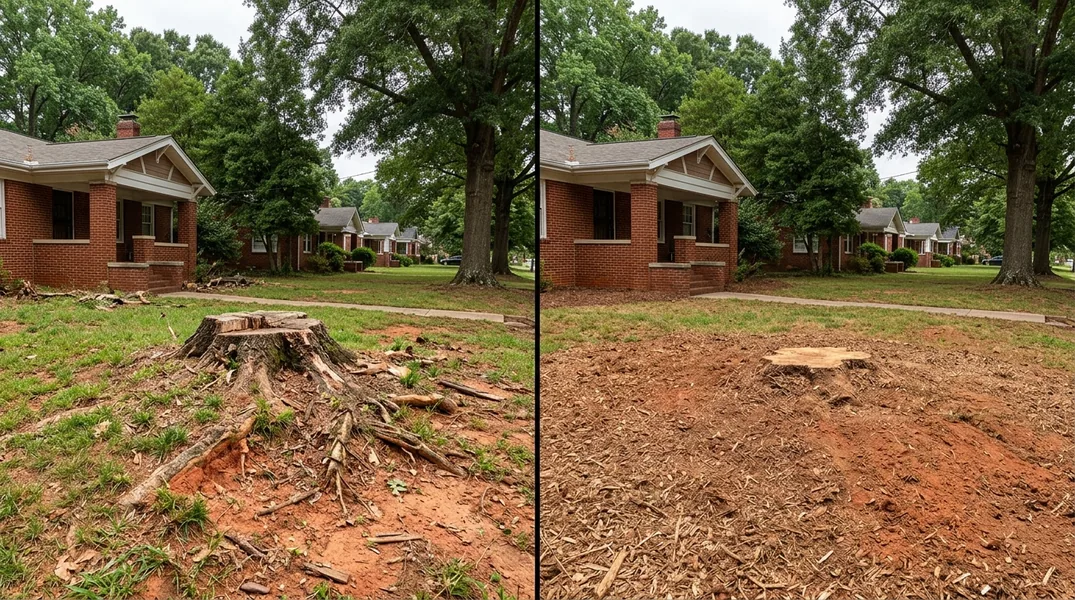
Beyond safety, professionals work much faster than homeowners. What might take you weeks of dangerous, exhausting work can be completed in a day or two by a trained crew. They have chippers, stump grinders, and debris removal services that handle the entire cleanup. If you need Stump Grinding to remove the remaining stump, most emergency services can schedule that immediately after the tree removal is complete. Call GreensboroTree Service at (743) 222-3017 for immediate assistance with your storm damage.
Tree Removal Cost in Greensboro: What to Budget
The cost of removing a fallen tree varies widely depending on the tree's size, location, condition, and what it has damaged. A small tree in an open yard might cost a few hundred dollars, while a large tree that has fallen on your house or is tangled in power lines could cost several thousand dollars. Emergency removal after a storm often costs more than routine removal because it requires immediate response, may involve hazardous conditions, and might need to be done at night or on weekends.
When you request free estimate quotes from tree removal companies, you will see significant variation in pricing. Some companies charge by the hour, others by the job. Some include debris removal and cleanup, while others charge extra. Ask each company whether their quote includes hauling away branches and logs, whether they will grind the stump, and whether they will do site cleanup and restoration. The lowest quote is not always the best choice. A company that carries proper insurance, has certified arborists on staff, and provides a detailed written estimate is worth paying a bit more for. GreensboroTree Service provides transparent pricing and detailed estimates so you know exactly what you are paying for.
Keep in mind that your insurance may cover part or all of the removal cost, so do not let the estimate shock you. Submit the quotes to your insurance company and let them review the reasonableness of the pricing. Many insurers will approve the cost if it is in line with local market rates. Do not pay out of pocket and then try to get reimbursed. Instead, work with your insurer before the work begins so you understand what is covered.
Preventing Future Storm Damage: Tree Maintenance and Inspection
While you cannot prevent every storm, you can reduce the risk of tree damage and failure by maintaining healthy trees on your property. Trees that are properly pruned, free of disease, and structurally sound are far less likely to fall during high winds or heavy snow. This is where Tree Trimming & Pruning becomes a valuable investment in your home's safety and your property's long-term health.
Have a certified arborist inspect large trees on your property, especially if they are near your house, power lines, or your neighbor's property. An inspection can identify dead branches, weak branch unions, root problems, or signs of disease that make a tree more vulnerable to failure. Removing dead wood, thinning dense canopies to reduce wind resistance, and eliminating branches that overhang your roof or structures are all proven ways to reduce storm risk. Regular pruning also keeps trees healthier and more vigorous, improving their ability to withstand stress.
In Greensboro, where spring storms and occasional ice storms can be severe, proactive tree care is especially important. If you have trees that concern you, or if you want to reduce your risk of future storm damage, GreensboroTree Service can provide a free evaluation and recommend a maintenance plan tailored to your property. Contact us at (743) 222-3017 or visit our website to schedule a consultation.
Looking for a professional tree service in Greensboro? GreensboroTree Service responds fast for all your tree service needs.
Get a Free QuoteOur services: Tree Removal · Tree Trimming & Pruning · Stump Grinding